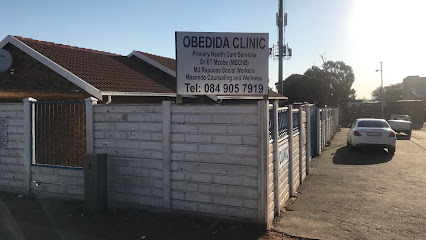
OBEDIDA FAMILY HEALTH CARE CLINIC is a Walk-in clinic establishment in Krugersdorp, Gauteng, South Africa
Krugersdorp
Gauteng
South Africa
Sorry, no records were found. Please adjust your search criteria and try again.
Sorry, unable to load the Maps API.
Walk-in Clinic Services in Krugersdorp, Gauteng
Walk-in clinics in Krugersdorp, Gauteng, provide convenient access to non-emergency medical care for residents and visitors alike. These facilities are typically designed to deliver prompt attention for common illnesses, minor injuries, and routine health needs without the requirement for an appointment. In a region known for its mixed urban and peri-urban communities, such clinics aim to offer efficient service and broad patient reach, situated within easy reach of shopping precincts, residential areas, and transport links.
The range of services commonly found at walk-in clinics in this setting encompasses urgent care for minor injuries, management of acute infections, and general medical consultations. Patients may seek treatment for conditions such as influenza-like symptoms, sore throats, skin rashes, minor burns, sprains, and lacerations. Many clinics also provide basic preventive care, including routine injections, health screenings, blood pressure checks, and general health assessments. In higher-volume centres, a clinician may perform simple stabilisation, advise on treatment plans, and determine the need for referral to a traditional general practitioner or to hospital services if a condition requires more comprehensive investigation or higher levels of care.
Assessment at a walk-in clinic typically begins with a brief triage process to establish the urgency of the patient’s problem. This helps to prioritise visits and allocate appropriate consultation time. A clinician or trained nurse may collect information about current medications, medical history, allergies, and the presenting symptoms. From there, a treatment plan is usually discussed, which may involve on-site tests such as rapid strep screening or basic point-of-care tests where available, and prescriptions issued where appropriate. Many clinics also offer advice on self-care and when to seek further medical attention, ensuring patients understand red-flag symptoms that warrant urgent care at a hospital.
Practical considerations for visitors to walk-in clinics in Krugersdorp include anticipated wait times, which can vary depending on the day and time of visit. Some clinics operate on a first-come, first-served basis, while others may implement a queueing system or offer limited walk-in slots. It is advisable to bring a form of identification, proof of address if required by the clinic, and any relevant medical information such as current medications or past medical records. Payment arrangements should be considered, as some clinics operate on a pay-at-visit basis, with several accepting major card payments in addition to cash. While many facilities cater to walk-ins, some may also offer a limited number of booked appointments for specified services.
Pharmacy access nearby is a practical consideration, as many conditions treated in walk-in clinics can prompt straightforward medication recommendations. Patients should enquire about the availability of on-site dispensing or nearby pharmacy hours, particularly for aftercare needs. In Krugersdorp, clinics are often part of broader healthcare ecosystems, linked to laboratories or sister practices that can facilitate essential investigations if required. This integration supports continuity of care, especially for patients with ongoing health concerns who may need follow-up with a regular GP or specialist after a walk-in encounter.
When selecting a walk-in clinic in Krugersdorp, potential patients may consider factors such as proximity to home or work, the range of services offered, operating hours, and the clinic’s capacity to handle walk-ins during peak times. The environment at these clinics is generally designed to be welcoming and efficient, with a focus on clear communication, timely assessment, and practical guidance on next steps after an initial visit. The overarching aim is to provide accessible, non-emergency medical support that complements existing primary care arrangements and supports the well-being of the local community.