KM Housing is a Real estate developer establishment in Krugersdorp, Gauteng, South Africa
KM Housing: Real Estate Developer in Krugersdorp, Gauteng
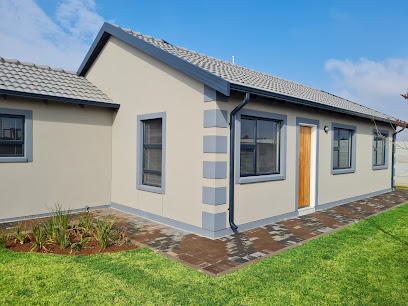
KM Housing operates as a housing developer focused on affordable living within the Gauteng region. Established in 2006, the company reports substantial activity in the property development sphere, having developed more than 2,000 stands and constructed in excess of 700 homes. The organisation positions itself as a partner in making home ownership attainable by combining residential development with accessible financing options.
From a customer experience perspective, KM Housing positions its offering around end-to-end support throughout the purchasing and building journey. The model emphasises simplifying the process for potential buyers by providing guidance at each stage, with an in-house team of bond originators available to assist clients as they navigate finance options. This feature is highlighted as a core component of the service, aimed at smoothing the transition from interest to ownership for first-time buyers and others seeking affordable housing in the region.
In terms of core services, KM Housing’s primary activities include the development of affordable housing sites and the delivery of homes within those developments. The company’s footprint in Gauteng reflects a strategy centred on creating attainable homes while managing the associated administrative and financial steps that accompany purchase and construction. The in-house bond originators are described as a key asset, intended to streamline finance applications and enhance the overall purchaser experience.
Visitor feedback from public reviews provides a mixed picture of customer experiences. Some reviewers recognise positive aspects of service, mentioning specific individuals who have delivered commendable assistance in the past. Positive comments often focus on personal attention and perceived quality of service within the broader housing process. On the other hand, certain reviews point to areas of concern, such as delays in response to maintenance or construction issues, and perceived inconsistencies in professionalism. These observations suggest that, as with many property development projects, experiences can vary by project team, timing, and site-specific factors.
Typical project categories associated with KM Housing appear to be residential developments that include building homes on supplied stands. The company’s profile and activity indicate a focus on creating community-oriented housing options within the Gauteng market, with Krugersdorp as a core area of operations and service reach within the broader Gauteng region.
Request handling at KM Housing is described in terms of guided support throughout the purchase and build process. Clients are purportedly assisted at multiple touchpoints—from initial inquiry and financial pre‑qualification to the progression of construction and final handover. The presence of in-house bond originators is framed as a delivery mechanism to reduce friction in obtaining finance, which is often pivotal in affordable housing projects.
For customers considering KM Housing, practical considerations include understanding the development timeline, milestones for construction, and the sequence of steps from site selection to title transfer. Prospective buyers may benefit from planning ahead for finance approvals, confirming the scope of what is included in a given development (such as land preparation, house design options, and finishing standards), and verifying the expected handover date with the project team. Because reviews indicate variability in service levels across projects, it may be prudent to request references from completed developments and to seek early clarification on maintenance responsibilities and warranty coverage.
Geographic and service area information indicates KM Housing operates within Gauteng, with Krugersdorp as a focal location. The company is positioned to serve buyers seeking affordable housing options in and around the Johannesburg metropolitan area, leveraging its established development track record and in-house financing support to facilitate access to home ownership.
Practical tips for potential buyers include: gather initial affordability information before selecting a development; engage with the in-house bond originators early to understand financing options; request a clear project timeline and a breakdown of what is included in the build; keep a record of communications with developers and site teams; and monitor maintenance or warranty issues promptly to ensure timely resolution. While visiting developments, it may be helpful to inquire about the commissioning of common facilities, the status of title documentation, and the processes for defect reporting and rectification.
Overall, KM Housing presents itself as a developer focused on affordability and customer assistance through the purchasing and building journey, with a substantial track record in Gauteng and a particular emphasis on providing financial assistance within the process. Prospective buyers should consider both the strengths of a structured financing pathway and the importance of clear, proactive communication throughout the development lifecycle.
Krugersdorp
Gauteng
South Africa
Sorry, no records were found. Please adjust your search criteria and try again.
Sorry, unable to load the Maps API.
Real Estate Developer Services in Krugersdorp, Gauteng
In Krugersdorp, Gauteng, real estate development services encompass a range of activities designed to transform land and underutilised plots into functional, market-ready properties. Developers in this region frequently engage with residential, commercial and mixed‑use projects, adapting to local planning requirements, environmental considerations and community interests. The approach is typically collaborative, balancing feasibility, regulatory compliance, financial viability and long‑term value creation for investors and end users.
Clients commissioning development services can expect a structured process that often begins with site evaluation and market research. The initial phase examines zoning and land use constraints, access to infrastructure, and potential sales or occupancy demand. Feasibility studies assess costs, revenue projections and risk factors, helping stakeholders decide whether a project should proceed. Early planning also considers sustainability, energy efficiency, and how the development may integrate with Krugersdorp’s urban fabric and transport links.
Design and delivery form a central part of the service offering. Architects, engineers and planning consultants collaborate to produce master plans, building designs and technical specifications. This stage addresses density, street layout, parking, green spaces and the character of the neighbourhood, while ensuring compliance with township and environmental regulations. In many cases, developers coordinate procurement and oversee construction management, coordinating contractors, timelines and quality control to maintain progress and control costs.
Regulatory compliance is a constant consideration. Local authorities in Gauteng require submissions for zoning amendments where necessary, building plans, environmental impact assessments and adherence to safety codes. Developers typically work with town planners and legal advisers to navigate these processes, ensuring that permissions are obtained promptly and that projects align with local development frameworks. Community engagement may also be part of the workflow, particularly for larger schemes, to address concerns and secure social licence to operate.
Marketing and sales support are common facets of real estate development services, particularly for residential and mixed‑use projects. This includes pricing strategies, product positioning, and partnerships with agents or marketing agencies to reach target buyers or tenants. While specific marketing platforms or channels are not guaranteed, the objective remains to present a compelling value proposition and an attractive investment or living proposition once a project reaches completion.
Practical considerations play a key role in Krugersdorp projects. Land tenure, title deeds, and transfer processes influence timelines and costs. Access to utilities—electricity, water, sewage and digital connectivity—must be planned for, along with resilience measures for weather events and load shedding. Developers commonly review risk elements such as cost volatility, financing terms and potential delays from regulatory or supplier issues. Project timelines in the area are influenced by permitting cycles, supply chains and subcontractor availability, making a clear programme essential for stakeholder alignment.
For potential buyers, investors or tenants, the experience of engaging with a developer typically involves clear documentation outlining project scope, expected completion dates, payment milestones and warranties where applicable. Ongoing communication about progress, changes to scopes of work, and the anticipated handover process helps to set realistic expectations. In Krugersdorp, as in other Gauteng townships, successful development hinges on balancing economic viability with community impact, delivered through rigorous planning, prudent risk management and meticulous project governance.
Overall, real estate developer services in Krugersdorp provide a comprehensive suite of capabilities designed to translate land into well‑planned, sustainable, and legally compliant properties. The emphasis remains on prudent execution, stakeholder coordination and value creation for stakeholders throughout the lifecycle of each development.