Johannesburg Botanical Gardens is a Botanical garden establishment in Randburg, Gauteng, South Africa
Johannesburg Botanical Gardens: Summary of Services and Visitor Experience
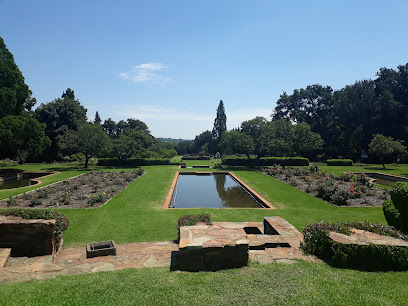
The Johannesburg Botanical Gardens, located in Randburg, Gauteng, South Africa, occupy a substantial 81-hectare green corridor that forms a cornerstone of Johannesburg’s public open spaces. As one of the city’s principal “green lungs,” the gardens combine expansive grassy areas with a diverse planting arrangement and a setting that overlooks Emmarentia Dam. The site is described as a mix of large open lawns edged by trees, with highlighted attractions such as the Shakespeare Garden, the Rose Garden, the Herb Garden, a Hedge Demonstration Garden, and a main arboretum. The landscape is designed to support both casual recreation—picnics, walks, dog walking, running—and more purposeful botanical observation, with pathways crafted to allow visitors to choose short or longer routes without backtracking.
In terms of services and facilities, the botanical gardens feature several core offerings designed to support a range of user needs. First, planning and planning-related services are accessible through the site’s official channels, including a structured plan-your-visit pathway and information about venue hire for events held within the garden precinct. The venue hire option highlights the garden as a potential location for meetings, exhibitions, and other gatherings held within a natural setting, complemented by ceremonial spaces such as a tea pergola and a floreum. The herbarium and library establish a scholarly dimension to the gardens, with a virtual herbarium providing digital access to botanical resources. Visitors and researchers can also access research and publications oriented to the garden’s plant collections and conservation aims.
The site emphasises its educational role and botanical breadth. The master plan historically organised 42 plant families into their botanical and aesthetic frameworks, with ongoing planting plans that extend across large sections of the garden. Natural spaces are deliberately preserved, including swamps and stream habitats, supporting an ecological narrative alongside cultivated displays. Notable plant collections include a Podocarpus forest and an extensive palm collection, together with South African acacias and other regional varieties. Labels on key gardens (Rose, Herb, Hedge) acknowledge the importance of accessibility to information, even as vandalism challenges the durability of plant labels in public spaces.
From a visitor experience perspective, reviews depict a place that remains welcoming, peaceful, and versatile. Reviewers describe wide, well-maintained spaces that support family picnics, quiet reflection, and opportunities to observe wildlife, including birds and ducks on the dam. The site appears popular for leisurely walks, dog-walking, and casual recreation, with several entries noting the safety and openness of the space. Visitors frequently mention the dam’s scenic view and the presence of amenities such as seating areas and a bookshop, alongside a market occasionally hosted on site. While most reviews are positive regarding cleanliness, maintenance, and the overall ambience, some commentators point to parking challenges and crowding on busy days, suggesting that the space can feel crowded during peak periods. Overall, the gardens are perceived as an accessible, free-entry destination that supports both solitary contemplation and social family outings.
The gardens’ broader role within City Parks and Zoo (JCPZ) is aligned with a wider mandate to manage urban parks, conserve biodiversity, and promote environmental education. The site’s botanical services sit within a portfolio that includes ecological conservation, nature trails, and public open spaces across the city. This positioning encourages a holistic visitor experience: one that blends botanical interest with recreational enjoyment and landscape-scale stewardship.
Practical tips for visitors
- Entry is free, and the park is suitable for long walks, picnics, and family outings; plan for a relaxed visit with ample time to explore the various gardens and the dam.
- Bring a blanket or seating for picnics, and be prepared for outdoor weather conditions; check the plan-your-visit section for any event-related changes.
- Parking is available in multiple areas, but peak times can be busy; arrive earlier in the day or on weekdays to avoid crowds.
- For those seeking an academic angle, explore the herbarium, library, and virtual herbarium resources to deepen botanical knowledge or support research interests.
- If hosting an event, consider venue hire options within the garden’s facilities, including spaces that accommodate formal and informal gatherings in a natural setting.
Geographically, the Johannesburg Botanical Gardens situate within Randburg, part of the Johannesburg metropolitan area in Gauteng, South Africa. The gardens connect with Emmarentia Dam and its surrounding ecosystem, offering a blend of natural habitat, curated plant displays, and opportunities for community recreation and study. As a longstanding public asset, the gardens contribute not only to leisure and beauty but also to biodiversity conservation and environmental education within the city’s fabric.
Randburg
Gauteng
South Africa
Sorry, no records were found. Please adjust your search criteria and try again.
Sorry, unable to load the Maps API.
Botanical Garden Services in Randburg, Gauteng
Botanical garden services in Randburg, Gauteng, encompass a range of horticultural and educational offerings designed to celebrate plant life while supporting sustainable practices. These services are typically accessed through public gardens, private estates with plant collections, or professional consultancy providers that operate within the region. Visitors and clients can expect a focus on local flora, seasonal displays, and practical gardening assistance suitable for the South African climate.
Core services commonly encountered include guided tours and interpretation programmes that help participants understand plant ecosystems, conservation principles, and the cultural value of South Africa’s diverse flora. Guided experiences often feature landscape themes such as indigenous species, water-wise planting, and habitat restoration. For families and schools, routine programmes may incorporate hands-on activities, scavenger hunts, and educational materials aligned with curriculum objectives while emphasising environmental stewardship.
Plant sales and display areas are a frequent feature, offering ornamental plants, herbs, and some native species that thrive in Gauteng’s temperate conditions. These spaces provide opportunities for visitors to learn about plant selection, care requirements, and seasonal performance. Seasonal displays and themed exhibitions can enhance visitor engagement, with changes to reflect flowering cycles, horticultural trends, and conservation messages.
Professional horticultural services are another important facet of the sector. Clients may receive garden design advice, landscape planning, and implementation support for residential or corporate grounds. This often includes site assessment, soil testing, irrigation considerations, plant compatibility, and ongoing maintenance planning. Some providers also offer pruning, soil amendment recommendations, and guidance on sustainable mulching and composting practices to optimise water use and soil health.
Maintenance and caretaker services are suitable for individuals who own or manage small to medium-sized collections, as well as larger parks. Routine tasks typically involve pruning, lawn care, pest monitoring, fertilisation plans, weed control, and seasonal cleanups. In Randburg’s climate, water management is a practical priority, with attention to drought-resilient planting, rainwater harvesting, and efficient irrigation scheduling where applicable.
Educational and experiential offerings may include workshops on plant propagation, terrace gardening, or decorative planting techniques that suit urban spaces. Some organisations host community-led activities focused on environmental awareness, pollinator-friendly plantings, or sensory gardens that benefit visitors with diverse needs. Venues may also provide space for small events, such as outdoor classes or corporate gatherings, subject to venue policies and local regulations.
When engaging botanical garden services in Randburg, clients can expect a professional approach that centres on plant health, sustainability, and accessible learning. Practical considerations often include accessibility features, parking arrangements, safety provisions, and adherence to local guidelines regarding opening hours and conduct within green spaces. Climate and water restrictions endemic to Gauteng inform many recommendations, especially for plant selection and irrigation planning. Currency of information may rely on seasonal calendars and region-specific horticultural best practices, rather than prescribed one-size-fits-all solutions.
- Guided tours and interpretive programmes
- Indigenous and ornamental plant displays
- Plant sales and garden centre outputs
- Garden design, landscape planning, and implementation
- Maintenance, pruning, fertilisation, and pest management
- Educational workshops and school programmes
- Community events and space for small gatherings
Overall, botanical garden services in Randburg offer practical guidance and engaging experiences that align with local climatic realities and urban living needs. Consumers can expect informative, supportive, and non-commercially prescriptive assistance that helps them cultivate beautiful, healthy gardens while respecting environmental constraints and conserving native biodiversity.