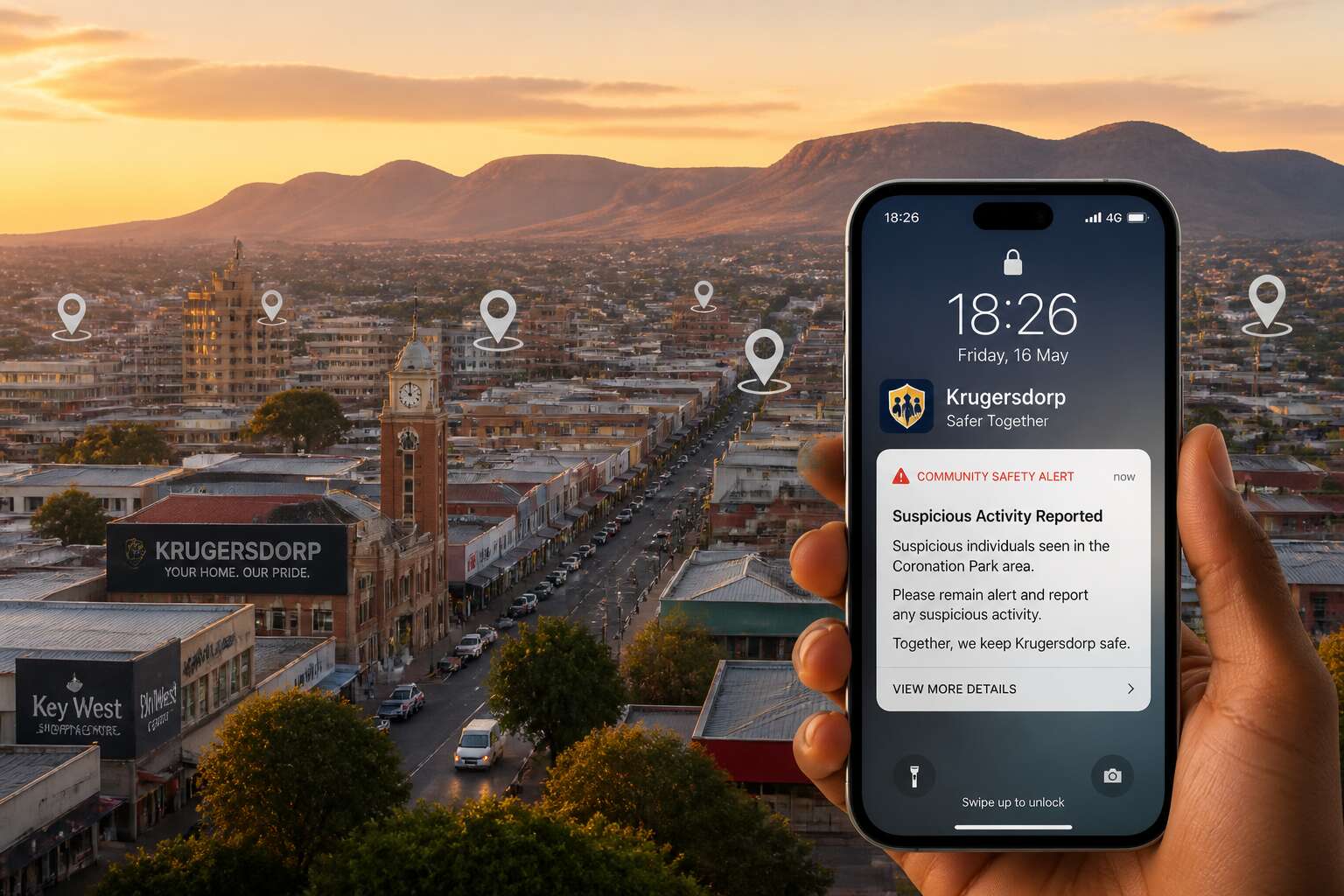
Understanding Local Emergency Notification Systems
When the sirens wail in Krugersdorp, you have roughly 90 seconds to decide. Grab the cat, grab the laptop, or both! Understanding how the alert krugersdorp system works turns panic into a plan.
Local emergency alerts aren’t one single tool. Municipal sirens cover a wide area, but they don’t say what the threat is. Your phone fills that gap with SMS alerts, while community WhatsApp groups add real time colour. I’ve learned to check all three before assuming anything.
- Sirens for immediate warnings
- SMS texts for targeted alerts
- Social media for updates
- Mobile apps for official sources
Each channel has quirks. The sirens might be a test. Your phone might lose signal. Knowing these layers before a crisis hits makes a real difference in Krugersdorp.
Weather and Disaster Warning Channels
Living in Krugersdorp means staying alert to the weather. The storm season arrives without ceremony, and the light changes quickly. To stay safe, you need more than intuition; you need reliable channels.
The alert krugersdorp system uses several pathways to reach you. I always keep my phone charged and my radio tuned to local frequencies. The South African Weather Service provides official warnings, but you should also follow the municipal disaster management feeds. Some residents prefer WhatsApp groups, while others rely on sirens and community networks.
Here are the channels I trust:
- The SAWS mobile app for severe weather alerts.
- The Krugersdorp municipal SMS broadcast system.
- Local community radio stations for real time updates.
Each channel serves a purpose. When a warning sounds, you have minutes, not hours. That is why the alert krugersdorp network exists.
Community-Driven Safety Networks
The hum of a neighbourhood is often its first line of defence. In this area, that hum has become a digital pulse, thrumming through dedicated WhatsApp groups and coordinated response units. The phrase “alert krugersdorp” now signifies a proactive stance, where residents share real time information about suspicious vehicles or individuals with a precision that official channels often lack.
This interconnected web shifts the dynamic between residents and those who wish to do harm. When a security company is ten minutes away, but a neighbour is ten seconds away, the difference is tangible. These networks facilitate swifter reaction times and act as a deterrent. Criminals scout for easy targets, but a street where every house is a watchtower changes the calculus.
The efficacy relies on strict protocols and trust among members. It involves:
– Verifying reports before they spread to prevent panic.
– Sharing camera footage for accurate identification.
– Coordinating patrols to cover the most vulnerable access points.
Underneath the tech, though, lies a core of raw human vigilance. Knowing your neighbour’s schedule and their children’s routines creates a collective watchfulness that disrupts the isolation criminals exploit. This isn’t about fear; it is about shared intelligence. The quiet perseverance of these community networks provides a palpable sense of control, turning passive observation into active protection, all while keeping you on alert krugersdorp.
Practical Steps to Stay Informed
Staying informed in Krugersdorp demands more than passive scrolling. I have learned that the community thrives on a mix of local networks and digital platforms. For anyone relying on alert krugersdorp, the key is to verify every update before acting. Rumours can outpace verified information here, especially during power outages!
Consider how residents collect details:
- Join neighbourhood WhatsApp groups with active moderators.
- Follow the municipality’s official Twitter feed.
- Listen to local radio for real time weather alerts.
Each source offers a different angle. Pairing these with direct observation of street signs and siren tests sharpens my awareness. The rhythm of daily life changes when you know what to notice.
Evaluating the Reliability of Alert Sources
A single false alarm can erode trust for years. In Krugersdorp, where mining history meets urban sprawl, residents depend on a patchwork of alert systems. But how do you separate fact from fabrication? I have spent months listening to every channel.
Reliable alert Krugersdorp sources share three traits:
- They cite official channels.
- They timestamp every update.
- They correct errors quickly.
Community groups amplify rumours. Official feeds lag but stay accurate. You must weigh speed against truth. A neighbour’s word is not data. A verified alert is worth more than a hundred guesses.
That is why I check the source first, then cross-reference with two others. It takes time, but your safety deserves it!




0 Comments