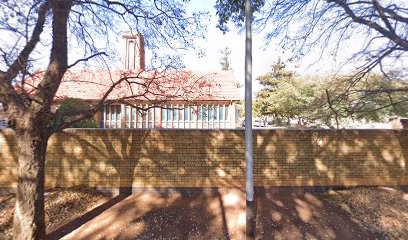
ICSA Chapel Krugersdorp is a Place of worship establishment in Krugersdorp, Gauteng, South Africa
Krugersdorp
Gauteng
South Africa
Sorry, no records were found. Please adjust your search criteria and try again.
Sorry, unable to load the Maps API.
Place of worship services in Krugersdorp, Gauteng
Krugersdorp, a town in Gauteng, presents a diverse network of places of worship that cater to a broad spectrum of faiths. The services offered typically reflect the traditions of churches, mosques, temples and other religious centres within the community. Visitors can expect a blend of spiritual observance, communal fellowship and practical information aimed at guiding newcomers and regular attendees alike through the rhythms of worship and ceremony.
Christian churches in Krugersdorp commonly organise regular Sunday services, often accompanied by midweek prayers, Bible reading sessions and teaching programmes for all ages. Worship may feature hymns or contemporary praise, a sermon or homily, and opportunities for personal prayer. Sacramental practices such as baptisms, communions or confirmations may be scheduled periodically, with specific rites arranged in consultation with church leadership. Many congregations also host youth programmes, counselling services and community outreach projects, extending the sense of belonging beyond the worship hall.
Muslim communities in the area typically hold daily prayers, with the Friday congregational prayer (Jumu’ah) being a central weekly gathering. Mosque activities may include Qur’anic study circles, lectures on religious ethics, and special observances during Ramadan. Mosques often provide facilities for washrooms and ablutions, quiet rooms for reflection, and meaningful guidance from recognised scholars or imams. Practical considerations include modest dress codes, removal of footwear at entrances, and the provision of separate prayer spaces where appropriate.
Hindu and other minority faith centres may offer consecration ceremonies, devotional gatherings, scriptural study, and seasonal rituals aligned with their calendars. These venues can be busy during religious festivals, with a focus on communal singing (bhajans), pujas, and charitable activities. Language and cultural nuances may shape the structure of services, with interpreters or bilingual materials available in some locations.
In Krugersdorp, places of worship are typically mindful of accessibility and safety. Car parking is commonly available on-site or nearby, with clear signage directing visitors to entrances and worship spaces. The reception or information desks often help newcomers understand service times, dress norms, and any required security procedures. Many venues provide notices in multiple languages and may offer programmes or leaflets outlining the order of service, expected etiquette, and contact details for further enquiries.
Attending a place of worship in Krugersdorp usually involves arriving a few minutes before the service begins. Seating arrangements vary, with some venues adopting fixed seating and others offering flexible aisles for movement during prayers or responses. During services, congregants tend to participate through spoken words, sung responses, or quiet reflection, depending on the tradition. Intermission periods, social greetings, and information about upcoming events are common features that help newcomers connect with the community.
Practical considerations for visitors include modest attire expectations, particularly in more formal or sacred spaces, and respect for areas reserved for specific rites or for clergy. People new to a centre may find it helpful to arrive with a basic understanding of the service structure, and to ask volunteers or staff for guidance if necessary. For longer commitments such as weddings, funerals, or catechism classes, advance notice and bookings are typically advised to ensure appropriate arrangements and space are available.
Overall, the landscape of place of worship services in Krugersdorp emphasises respectful worship, communal support, and accessible information. While specific practices vary by tradition, the common aim is to provide a welcoming environment in which individuals can express faith, reflect, and engage with others who share similar spiritual concerns.