Rosehip Farm is a Organic farm establishment in Johannesburg, Gauteng, South Africa
Rosehip Farm – Organic Farm services and customer experience
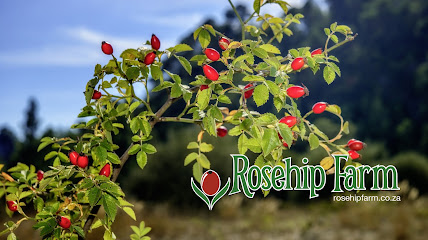
Rosehip Farm operates as a trusted bulk manufacturer and supplier of premium organic-certified rosehip products. Based in South Africa, the company emphasises strict adherence to international organic standards through its Control Union certification, ensuring that all offerings meet rigorous purity and sustainability criteria. The business serves both individual consumers and commercial partners, including wholesalers and manufacturers, highlighting flexibility in meeting a range of sourcing needs.
The core offering is a portfolio of organic rosehip ingredients designed for use in cosmetic, nutrition, and wellness products. The range is described as Pure, Organic and Sustainably Harvested, with production practices centred on small-batch processes to preserve purity and quality. This approach supports organisations seeking reliable, high-quality inputs for their own product lines, whether for formulation of skincare, tea blends, dietary supplements, or animal health products.
Rosehip Farm’s product suite is complemented by a selection of botanicals and essential oils, enabling buyers to assemble customised ingredient lists for bespoke lines. The Botanicals & Essential Oils category includes Artemisia Afra (African Wormwood), Helichrysum, Pelargonium Sidoides, Tagetes Minuta (Khakibos), Stinging Nettle, Eucalyptus Oil, Baobab Oil, Marula Oil, and Kalahari Melon Seed Oil. This breadth supports manufacturers and formulators seeking complementary natural ingredients alongside rosehip.
Specifically, the rosehip products include:
- Rosehip Oil
- Rosehip Tea Cut
- Rosehip Shells
- Rosehip Powder
- Rosehip Shell Powder
- Rosehip Seed
Among the standout offerings is Bulk Rosehip Oil, described as 100% chemical-free, cold-pressed from seeds of wild-harvested rosehips grown in an organically certified region. The small-batch production model aims to maximise purity, with no preservatives or additives, making the oil suitable for cosmetic formulations, skincare brands, and wholesale supply chains.
Rosehip Tea is highlighted for its natural Vitamin C content, flavonoids and antioxidants, contributing to potential heart health support, oxidative stress reduction, and immune-supportive properties. The tea serves as a natural addition to wellness ranges and herbal collections.
Powders and shells derived from rosehips are noted for high nutrient density, particularly Vitamin C, antioxidants and bioflavonoids. The Rosehip Powder and Shell Powder are described as beneficial for immune health, joint mobility, cholesterol regulation, and digestion. These ingredients are positioned for use in supplements, capsules, nutrition blends, and animal wellness products.
Rosehip Farm also offers products targeted at animals, with formulations for equine, canine & feline, and small animal (rodent) use. This enables pet-focused brands and veterinary wellness lines to incorporate natural rosehip-based ingredients for joint support and overall wellbeing.
In terms of customer experience, visitor impressions reflect appreciation for the quality and appeal of the products, with multiple reviews highlighting satisfaction and a positive reception to the offerings. While individual feedback is varied in detail, the shared sentiment underscores a favourable view of Rosehip Farm’s range and potential suitability for business and personal use.
Typical services and how requests work
The primary service is the supply of organic rosehip ingredients in bulk, complemented by a broad range of botanicals and essential oils. Clients typically engage with Rosehip Farm to source ingredients suitable for their own product development, manufacturing, or retail needs. The process is described as accommodating direct sales to consumers, wholesalers and manufacturers, suggesting a streamlined pathway from inquiry to delivery for diverse customer profiles.
Practical tips for customers planning to work with Rosehip Farm include considering the intended application (cosmetics, nutrition, animal health) to select appropriate rosehip forms (oil, powder, shells, seed, or shells powder) and to recognise the benefits of organic, cold-pressed, small-batch production for maximum purity. Verifying the specific certification (Control Union) and confirming regional compliance may assist buyers in aligning with regulatory and quality expectations. For product development, leveraging the complementary botanicals and essential oils can support formulation strategies across multiple wellness and personal care categories.
While the available information does not specify business hours or a public visiting schedule, the company profile implies a capability to service mixed customer types—individuals, wholesalers and manufacturers—through a responsive, information-rich online presence and direct contact channels.
Location details are not explicitly provided beyond being positioned in the Gauteng region of South Africa, with the broader market described as South African and international through organic-certified manufacturing and bulk supply. Prospective buyers are advised to consult the primary contact route for precise logistical details, lead times, and order specifications.
Gauteng
South Africa
Sorry, no records were found. Please adjust your search criteria and try again.
Sorry, unable to load the Maps API.
Organic Farm Services in Johannesburg, Gauteng
Organic farm services in Johannesburg, Gauteng, embody a growing approach to sustainable agriculture within a dense urban and peri-urban environment. Providers typically emphasise soil health, biodiversity, and responsible water use, offering a range of activities and offerings designed to align with consumer interest in chemical-free produce and environmentally considerate farming practices.
Typical services include the cultivation of organic vegetables, herbs, and fruit for local markets, box schemes, or direct farm sales. These operations often prioritise soil-building techniques such as composting, cover cropping, and crop rotation, with attention to soil structure and nutrient balance. Clients may access fresh seasonal harvests, either through on-farm purchases, small-wlot deliveries, or community-supported initiatives that share risk and reward between grower and consumer.
Beyond production, many organic farms in Gauteng provide educational experiences and outreach. Guided farm walks, workshops on soil health, seed saving, and sustainable gardening methods are common. Some sites offer programmes for schools, community groups, or aspiring growers, accompanied by demonstrations of organic pest management, water-efficient irrigation, and composting systems. These activities present practical insights into how organic farming operates within a climate characterised by hot summers and dry spells, where water stewardship is a critical consideration.
Delivery and distribution arrangements form a practical part of the service landscape. Flexible arrangements may include weekly or biweekly harvest collections, on-farm pickup, or local delivery to nearby neighbourhoods and markets. Clouded by logistical realities, organisations often emphasise reliability and consistency in sourcing, with harvests aligned to seasonal availability. Customers should anticipate variability in yields and plan accordingly, recognising that organic methods may influence the timing and quantity of produce compared with conventional farming.
In addition to edible crops, organic farm services frequently cover ancillary agricultural offerings. These can include organic fertiliser and soil amendment provisioning, pest and disease management using approved organic methods, and advisory visits to assess soil fertility, irrigation efficiency, and mulch or weed-control strategies. Some farms may also host livestock kept under organic-management principles, such as hens for farmyard eggs or small ruminants for grazing, with attention to animal welfare and pasture management within the Gauteng environment.
Clients can expect a collaborative approach to problem-solving, with growers and staff providing practical guidance on cultivating with organic inputs, selecting appropriate plant varieties, and maintaining certifications that reflect sustainable practices. While the term “organic” signals adherence to specific standards, the exact certification landscape may vary, and customers are advised to inquire about the methodology and record-keeping used on each property. In practice, transparency about inputs, crop rotation plans, compost usage, and water management tends to characterise the relationship between farm and consumer.
Practical considerations for engaging with organic farm services in Johannesburg include accessibility, transport arrangements, and the local climate. The region experiences hot summers and a tendency toward dry conditions, so irrigation strategies—such as drip systems and mulching—often play a central role. Soil types common to the area benefit from organic matter to improve water retention and structure. Proximity to markets and community schemes can influence the convenience and cost of obtaining fresh produce, while the seasonal calendar determines peak harvest periods and available varieties.
Overall, organic farm services in Johannesburg offer a grounded approach to sustainable food production within a busy urban landscape. The emphasis remains on healthy soils, responsible water use, biodiversity, and community engagement, delivering access to fresh, locally grown produce alongside opportunities to learn and participate in environmentally sound farming practices.